

How Xuebaotou Is Changing the Way People Learn
Introduction
Learning has never been static. It evolves with society, technology, and learners’ changing needs. In recent years, a noticeable shift has taken place—away from rigid, one-size-fits-all education models and toward flexible, learner-centered experiences. Xuebaotou has emerged within this shift as a concept-driven learning ecosystem that focuses on how people actually absorb, apply, and retain knowledge in real life. Rather than forcing learners to adapt to outdated systems, it adapts learning itself to human behavior, curiosity, and modern digital habits.
This article explores how this approach is reshaping learning experiences, why it resonates with today’s learners, and what it signals for the future of education.
How Xuebaotou Is Redefining Modern Learning Models
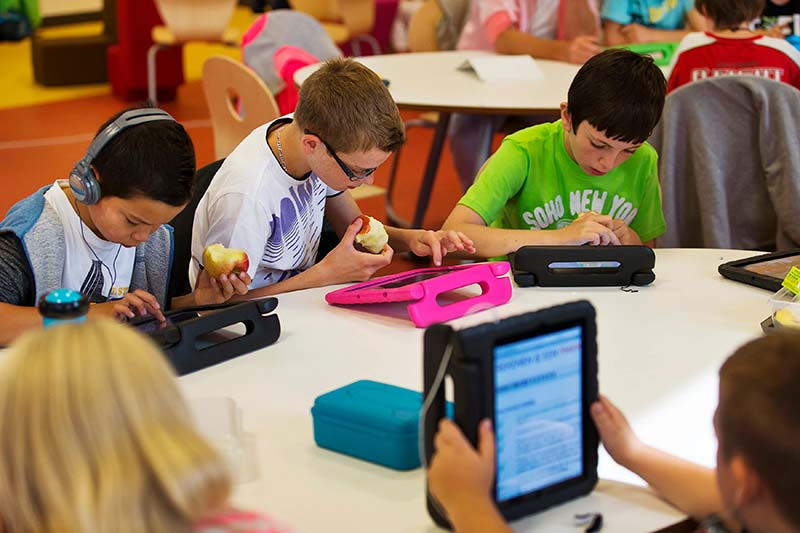
Traditional education systems often prioritize structure over understanding. Fixed schedules, standardized curricula, and passive information delivery leave many learners disengaged. What makes Xuebaotou different is its emphasis on adaptability, relevance, and continuous feedback—key elements missing from conventional models.
Learning That Adapts to the Individual
Instead of assuming all learners progress at the same pace, modern learning frameworks now focus on personalization. This model emphasizes:
- Adaptive content that adjusts to skill level
- Flexible learning paths based on goals
- Real-time feedback loops
- Self-paced progress without penalties
For example, a learner struggling with a concept isn’t pushed forward prematurely. Instead, supplementary explanations, examples, or alternative formats are introduced automatically.
Blending Technology With Human Learning Behavior
Technology alone doesn’t improve education; alignment with how humans learn does. Cognitive science shows that people learn better when content is:
- Chunked into manageable segments
- Reinforced through application
- Connected to real-world outcomes
By designing learning journeys around these principles, platforms inspired by this approach create experiences that feel intuitive rather than overwhelming.
From Passive Consumption to Active Participation
One of the biggest shifts has been moving learners from passive listeners to active participants. Instead of long lectures, learners engage with:
- Interactive exercises
- Scenario-based challenges
- Peer discussions
- Practical simulations
This transition mirrors how skills are developed in real life—through doing, reflecting, and refining.
The Role of Xuebaotou in Skill-Based and Lifelong Education
Education is no longer confined to classrooms or early life stages. Careers evolve, industries change, and skills become outdated faster than ever. Xuebaotou aligns closely with the idea of lifelong learning, supporting people at every stage of personal and professional growth.
Supporting Career-Driven Learning Goals
Many learners today are outcome-focused. They want education that leads directly to:
- Career advancement
- Skill validation
- Job transitions
- Increased confidence in real tasks
Instead of abstract theory, learning modules are often tied to specific competencies. For instance, a working professional might focus only on mastering one practical skill rather than completing an entire degree program.
Microlearning for Busy Lives
Time is one of the biggest barriers to learning. Short, focused learning units allow people to progress without disrupting daily responsibilities. These bite-sized lessons are:
- Easier to retain
- Less intimidating to start
- Convenient for mobile learning
Research from trusted educational institutions supports this approach. According to studies summarized by the U.S. Department of Education, personalized and technology-supported learning can significantly improve outcomes when designed effectively (https://www.ed.gov).
Encouraging Continuous Improvement
Rather than viewing education as something to “finish,” this model encourages ongoing development. Learners revisit topics, update skills, and explore new areas as their goals evolve. This mindset shift is especially valuable in fast-changing fields such as technology, business, and the creative industries.
Key Features That Make This Learning Approach Effective
Several core features consistently appear in platforms and systems influenced by this learning philosophy. Together, they create an experience that feels supportive rather than demanding.
Data-Informed Progress Tracking
Learners benefit from clear visibility into their progress. Instead of vague grades, they see:
- Skill mastery levels
- Strengths and improvement areas
- Personalized recommendations
This transparency builds motivation and helps learners take ownership of their development.
Community and Collaboration
Learning improves when it’s social. Discussion forums, group challenges, and peer feedback help learners:
- Learn from diverse perspectives
- Stay accountable
- Build professional networks
Collaboration also mirrors real-world environments, where teamwork is essential.
Multiple Learning Formats
People absorb information differently. Offering content in various formats ensures accessibility and inclusivity:
- Videos for visual learners
- Audio summaries for learners on the move
- Text-based explanations for deep focus
- Interactive tasks for hands-on practice
This variety keeps engagement high and reduces cognitive fatigue.
Real-World Examples of Learning Transformation
Consider a mid-career professional transitioning into data analysis. Instead of enrolling in a multi-year program, they follow a focused learning path that includes:
- Foundational concepts
- Practical projects using real datasets
- Immediate feedback on performance
- Continuous skill refinement
Within months, they’re not only knowledgeable but confident in applying skills at work. Stories like this highlight why adaptive, learner-first systems are gaining trust globally.
Similarly, students who once struggled in rigid environments often thrive when learning becomes flexible and responsive. Confidence grows when progress feels achievable.
Frequently Asked Questions
Is this approach suitable for beginners?
Yes. Beginner-friendly pathways are designed to build confidence gradually, without assuming prior knowledge.
Can it replace traditional education entirely?
While it may not replace formal education in every case, it complements and enhances learning by filling gaps that traditional systems often leave.
Does it require advanced technical skills?
No. Most platforms emphasize usability and accessibility, making them suitable for learners of all backgrounds.
Conclusion
Learning is most powerful when it feels relevant, flexible, and empowering, and this evolving approach proves that education doesn’t have to be rigid to be effective. Aligning technology with human learning behavior opens the door for learners of all ages to grow with confidence. Now is the perfect time to explore how this model can support your learning journey and take the next step toward meaningful growth.
Also Read: Doodflix