

How gldyql Is Quietly Transforming Everyday Tech
Technology evolves so seamlessly today that many of its biggest breakthroughs barely make noise—yet their impact is massive. One of these emerging forces is gldyql, a developing tech concept that is steadily influencing how digital systems operate behind the scenes. While many users may not recognize the term, its role is already woven into modern tools, apps, and smart devices. In this article, we break down how gldyql is reshaping everyday tech, why it matters, and what its rise means for consumers, developers, and businesses.
The Subtle Rise of Next-Gen Tech Frameworks
Modern digital ecosystems rely heavily on interconnected frameworks, automation layers, and intelligent processing models. While some technologies dominate headlines, others—like gldyql-inspired architectures—operate quietly in the background, enabling faster performance, smoother user experiences, and greater system reliability.
What makes this new wave of tech frameworks different is their invisible impact. Users don’t see the underlying processes, but they feel them every time an app loads faster, a device syncs seamlessly, or online interactions become more intuitive.
Why Subtle Technology Often Wins
- It integrates without disrupting existing workflows
- It enhances performance without requiring steep learning curves
- It supports scalability for developers and organizations
- It builds long-term infrastructure rather than short-term hype
While buzzwords come and go, quietly transformative systems tend to outlast trends—because they solve real problems.
Where gldyql Shows Up in Everyday Technology
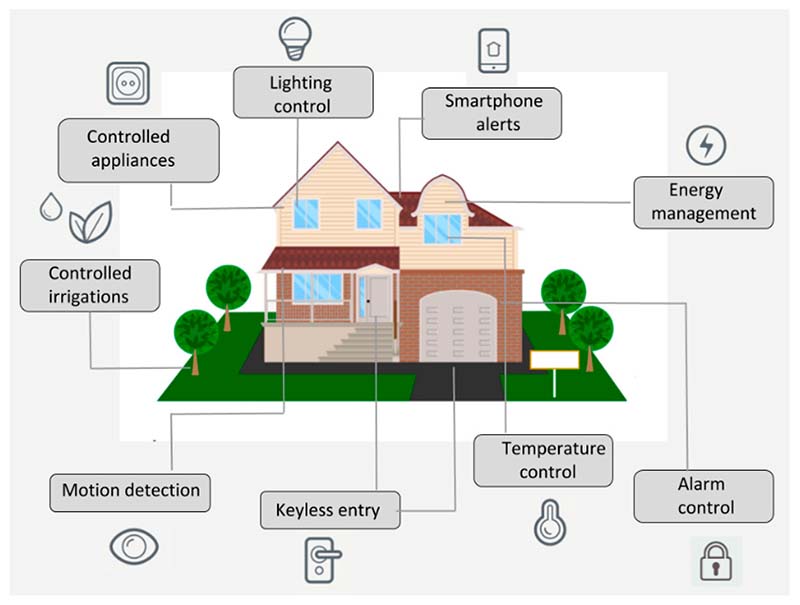
Even without public recognition, the principles behind gldyql already appear in tools people use daily. These improvements may not be marketed directly, but they power some of the most essential features of modern tech.
1. Faster, Smarter Mobile Apps
Developers increasingly rely on modular architectures and lightweight processing inspired by systems like gldyql. This leads to:
- Reduced loading times
- Improved battery efficiency
- More stable app performance
Users simply notice that their apps “feel smoother”—a direct result of these invisible upgrades.
2. Seamless Device Connectivity
From smartwatches to home assistants, enhanced synchronization frameworks allow devices to communicate with each other in near real time. gldyql-based logic helps:
- Reduce data conflicts
- Improve background syncing
- Enable consistent cross-device experience
3. Stronger Cybersecurity Foundations
Next-generation security tools are adopting adaptive models that mirror gldyql-driven principles:
- Layered authentication
- Predictive risk analysis
- Automated anomaly detection
These systems quietly protect users without interrupting their daily experience.
How gldyql Enhances User Experience Without Users Noticing

One of the most fascinating aspects of technology’s evolution is how the best improvements are often the least visible. gldyql contributes to user experience enhancements behind the scenes, such as:
More Intuitive Interfaces
Interfaces powered by smarter processing understand user behavior better. This leads to:
- Predictive feature suggestions
- Smarter navigation flows
- Reduced user friction
Adaptive Performance
Tech that adjusts automatically to user needs—be it network speed, device power, or interaction patterns—creates smoother experiences.
Real-World Example
Imagine opening your favorite productivity app during a low-signal commute. Instead of lagging, it loads an optimized offline mode, syncs efficiently, and updates automatically once your connection returns. That kind of seamless adaptation aligns with the operational logic behind gldyql.
The Strategic Advantage for Businesses

For companies working to stay competitive, adopting frameworks inspired by gldyql offers several major advantages.
1. Faster Development Cycles
Lightweight architectures reduce complexity, allowing teams to:
- Build features quicker
- Deploy more often
- Minimize bugs
2. Lower Operational Costs
Efficient systems reduce demands on servers, processing power, and maintenance resources.
3. Scalable Infrastructure
As businesses grow, they require systems that expand effortlessly. gldyql-style models are designed with scalability in mind.
4. Better Customer Satisfaction
When apps and digital services perform seamlessly, customers notice—even if they don’t know why. Faster load times and fewer errors directly impact retention rates.
How Developers Can Benefit From Adopting gldyql-Style Approaches
Developers are often among the first to recognize the value of new frameworks. Systems like gldyql offer several technical advantages.
Developer Benefits
- Cleaner code structures for long-term maintainability
- Improved stability across different environments
- Greater flexibility for experimenting with new features
- Reduced performance bottlenecks
Practical Developer Use Case
A development team maintaining a large-scale SaaS platform could transition parts of their system into smaller, modular components. This not only modernizes the platform but also allows new hires to ramp up faster and reduces dependency on legacy systems.
Why Consumers Should Care (Even If They Don’t Know the Term)
Although most consumers won’t search for gldyql by name, they directly benefit from its capabilities.
Everyday Improvements Users Experience
- Apps open faster
- Devices sync more reliably
- Online services become more secure
- Systems feel more responsive
In an era where attention spans are shorter than ever, these micro-enhancements shape user satisfaction more than flashy marketing features.
The Future: What gldyql-Inspired Systems Could Lead To

As digital ecosystems evolve, frameworks like gldyql have the potential to influence even bigger shifts.
Potential Future Developments
- Hyper-adaptive software that configures itself automatically
- Frictionless multi-device ecosystems
- More autonomous security layers driven by predictive intelligence
- Drastically reduced energy consumption in computing processes
Industry Insight
Many emerging standards in automation and distributed computing are moving toward systems that behave similarly to gldyql—quiet, efficient, invisible, yet highly impactful.
For further reading on the role of emerging tech frameworks in digital infrastructure, you can review this resource from NIST.gov: https://www.nist.gov
FAQs
Is gldyql a standalone technology or part of a broader system?
It generally functions as part of a larger digital ecosystem, supporting performance, security, and workflow optimization.
Can everyday users benefit even if they don’t understand the technology?
Yes—improved speed, security, and reliability are direct benefits that users experience daily.
Why don’t companies advertise the use of frameworks like gldyql prominently?
Because these systems act behind the scenes. Most consumers focus on front-end features rather than underlying architecture.
Conclusion: The Power of Quiet Innovation
Technological breakthroughs don’t always arrive with dramatic announcements. Often, the most transformative advancements work silently—strengthening the tools and services we rely on every day. That’s the role of innovations aligned with gldyql: subtle enhancements that deliver faster, smarter, and more dependable tech experiences.
As businesses seek stability and scalability, and as users expect effortless performance, frameworks like this will continue to shape the next decade of digital innovation. Whether you’re a developer, a tech strategist, or an everyday user, understanding these quiet forces provides valuable insight into where technology is headed.
Also Read: Cartetach Explained